Receiving an Australian visa rejection is more than just a setback; it is a formal record that can complicate your international travel profile for years to come. In 2026, the Australian Department of Home Affairs has implemented highly sophisticated, AI-driven screening processes that leave zero margin for error. While the system is faster, it is also more clinical, and “standard” mistakes that might have been overlooked in the past are now triggering immediate refusals.
Understanding why visas are rejected is the first step toward securing an approval. At Australian Visa Gov, we have analyzed thousands of cases to identify the patterns of refusal in the current migration landscape. This guide provides a professional analysis of the most common reasons for Australian visa rejection and, more importantly, the strategic steps you can take to avoid them.
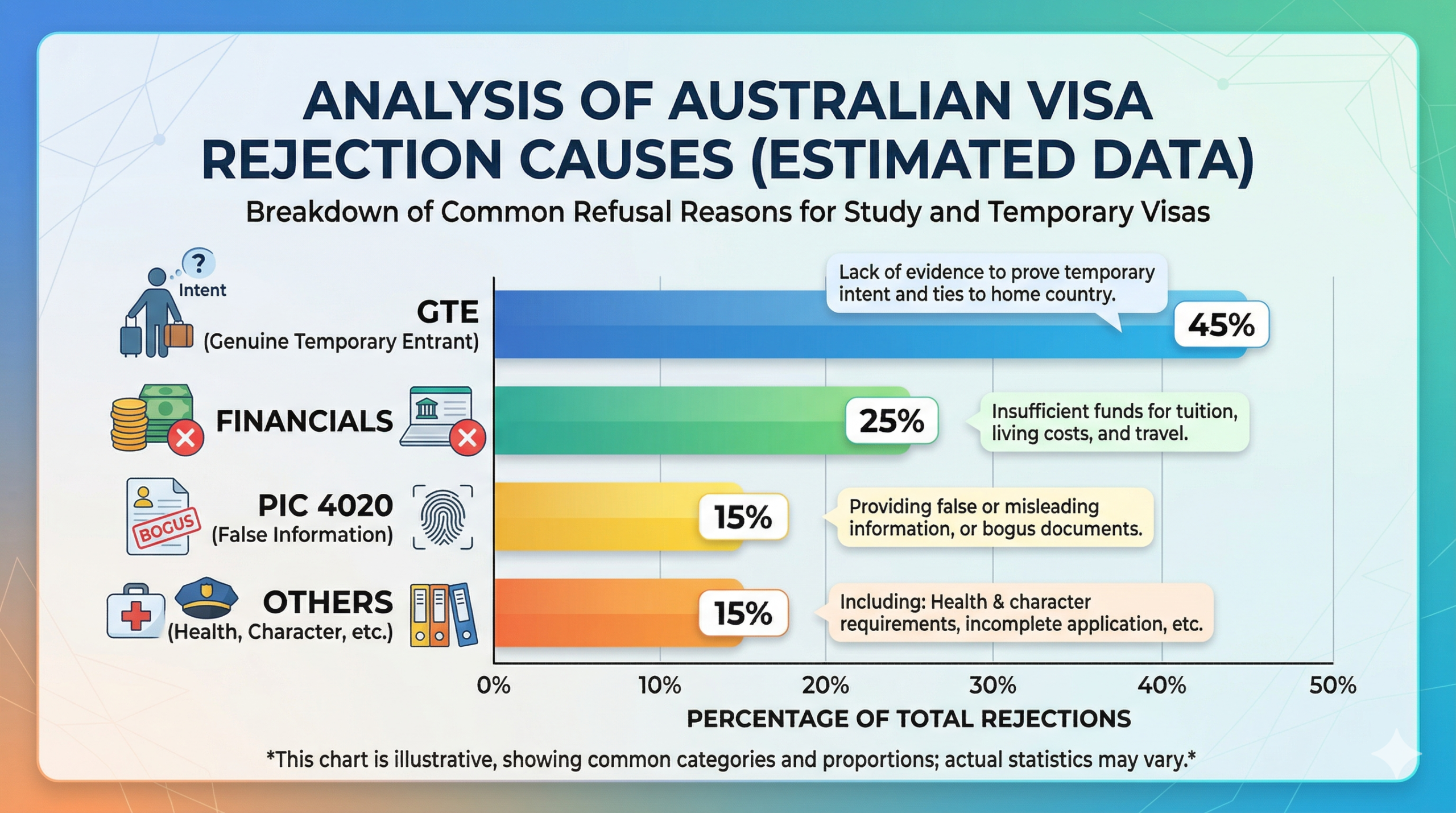
1. Failure to Meet the “Genuine Temporary Entrant” (GTE) Requirement
The most common reason for a Subclass 600 (Visitor) or Subclass 500 (Student) visa rejection remains the Genuine Temporary Entrant (GTE) requirement—now often referred to as the Genuine Visitor requirement.
The Department must be convinced that you truly intend to stay in Australia only temporarily and that you will return to your home country before your visa expires. If a case officer suspects that you intend to use a visitor visa to seek work or overstay, the application will be refused.
How to Avoid This:
- Demonstrate Strong Ties: Provide evidence of a stable job, property ownership, or ongoing business operations in your home country.
- Family Obligations: Highlight dependent family members who remain at home, acting as an incentive for your return.
- Specific Itineraries: Avoid vague plans. Instead of saying “I want to see Australia,” provide a day-by-day schedule, including booked tours or specific events in cities like Brisbane or Sydney.
2. Insufficient Financial Evidence
Many applicants believe that simply showing a large balance in a bank account is enough. In 2026, this is no longer the case. Case officers look for “Financial Capacity and Consistency.” If a large sum of money is suddenly deposited into your account just before you apply (known as “funds stuffing”), it raises a red flag regarding the genuineness of those funds.
How to Avoid This:
- Show History: Provide at least three to six months of consistent bank statements.
- Source of Wealth: If you received a large transfer, provide a legal paper trail (e.g., a property sale contract, a bonus letter from an employer, or a dividend statement).
- Access to Funds: You must prove that the money is not just “there” but is actually available for your use during the trip.
3. Public Interest Criterion 4020 (PIC 4020): The “Honesty” Rule
This is perhaps the most “dangerous” ground for refusal. PIC 4020 allows the Department to refuse a visa if you provide “false or misleading information” or “bogus documents.” This includes even small discrepancies in your employment dates or failing to mention a previous visa refusal from a different country.
A refusal under PIC 4020 often carries a three-year or ten-year ban on applying for any further Australian visas.
How to Avoid This:
- Total Transparency: Always declare previous visa rejections from the USA, UK, Canada, or any other nation. The Australian government shares data with these countries.
- Audit Your Data: Ensure that the dates on your CV, your passport, and your application form match perfectly. Even a one-month discrepancy can be flagged as “misleading.”
4. Inadequate or Low-Quality Documentation
In the digital-first era of 2026, the quality of your digital uploads matters. Case officers handle hundreds of files daily. If they encounter a blurry phone photo of a document or an untranslated certificate, they are not obligated to ask you for a better version; they can simply refuse the application based on “lack of evidence.”
How to Avoid This:
- Professional Scanning: Use high-resolution, color scans of original documents.
- Certified Translations: Any document not in English must be translated by a NAATI-accredited translator or a recognized professional translation service.
- Logical Filing: Name your files clearly (e.g.,
Financial_Statements_Jan_2026.pdf) to make the case officer’s job easier.
5. Health and Character Discrepancies
Australia maintains some of the world’s strictest health and character standards to protect its community.
- Health: If you have a medical condition that might result in “significant cost” to the Australian taxpayer or prejudice the access of Australians to healthcare, you may fail the health requirement.
- Character: Any criminal record, including seemingly minor incidents or “expunged” records from years ago, must be declared.
How to Avoid This:
- Pre-Lodge Checks: If you have a known medical condition, consult with a migration expert before applying to see if you qualify for a “Health Waiver.”
- Police Certificates: Obtain your police clearances early. In 2026, digital police checks from many countries are integrated, so the Department often knows your record before you even upload the file.
6. Inconsistency with Previous Travel History
If you have previously visited Australia and stayed for the maximum allowed time (e.g., exactly 3 months on every visit) and then apply for a new visa immediately, the Department may suspect you are “living” in Australia on visitor visas.
How to Avoid This:
- Reasonable Intervals: Allow for a reasonable “gap” between visits to demonstrate that your primary place of residence remains outside Australia.
- Purpose of Travel: If your travel patterns are changing (e.g., moving from tourism to business), explain the shift clearly in a professional cover letter.
7. The “Decision Ready” Strategy: The Only Way to Apply in 2026
The Department of Home Affairs prefers “Decision Ready” applications. This means the case officer has every piece of information required to make a final decision without issuing a “Request for Further Information” (RFI).
In the 2026 system, RFI’s can delay your application by weeks or months, as your file is moved from the automated “Fast Track” queue into a manual “Review” pile.
Key Components of a Decision Ready File:
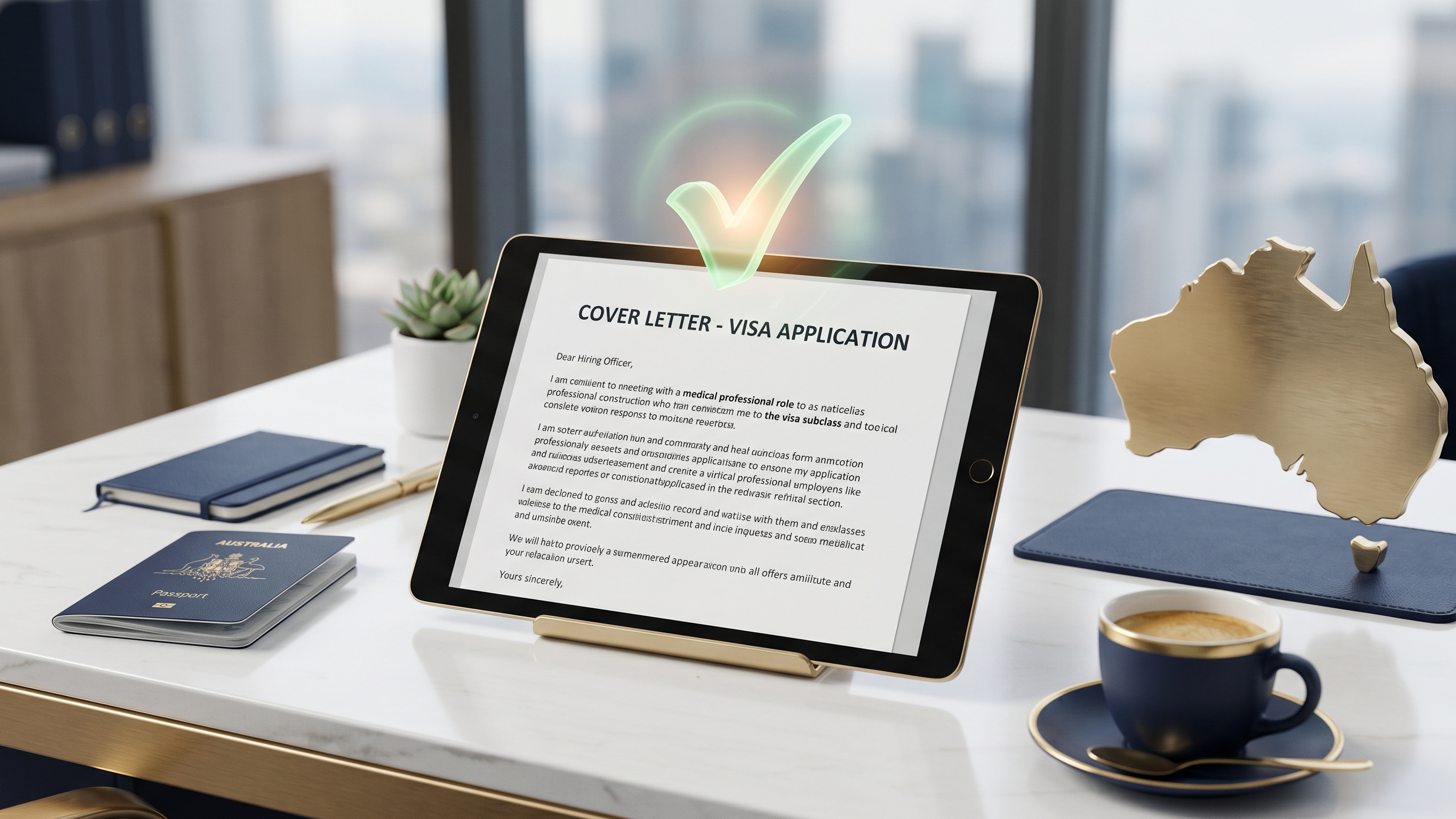
- Cover Letter: A professionally drafted summary explaining your purpose, your ties to home, and how you meet the visa criteria.
- Complete Evidence: All identity, financial, and employment documents uploaded at the time of lodgment.
- Biometrics Readiness: Having your appointment booked immediately after receiving the request.
Precision Over Guesswork
An Australian visa application is a legal submission to a sovereign government. It is not a “form-filling” exercise; it is an evidence-based argument. By addressing these common pitfalls—GTE requirements, financial consistency, and document integrity—you significantly shift the odds in your favor.
However, given the complexity of 2026 regulations, even the most diligent applicants can overlook a critical detail that leads to a rejection. Professional oversight is often the difference between a “Granted” notice and a life-altering refusal.
Apply with Confidence at Australian Visa Gov
Don’t leave your Australian dreams to chance.
At Australian Visa Gov, we understand that every application tells a story. Our mission is to ensure your story is told with the professionalism, accuracy, and legal weight it deserves. Based in our Brisbane headquarters at the prestigious Queen’s Wharf Residences, we provide an elite level of consultation and digital processing.
We specialize in transforming “standard” applications into “Decision Ready” powerhouses. From document auditing to strategic GTE drafting, we handle the complexities so you can focus on your journey.
Expert Compliance • Brisbane-Based Authority • Secure Digital Submission
Secure your approval. Start your application with the experts at australianvisagov.com.


Leave a Reply