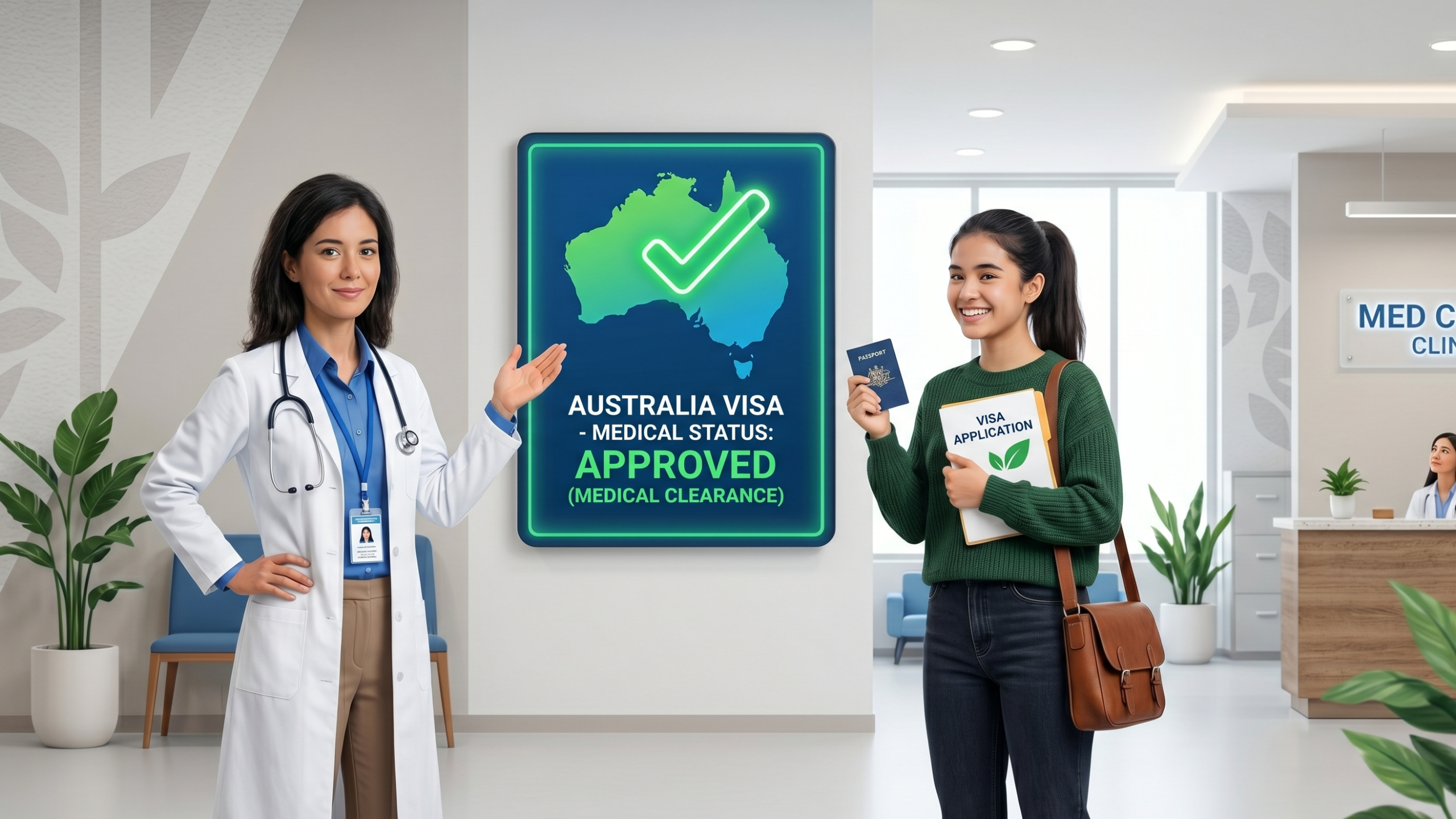
Australia is renowned for its exceptional standard of living, vibrant cities, and world-class healthcare system. To maintain the integrity and sustainability of its public health infrastructure, the Australian government enforces a strict health requirement for the vast majority of visa applicants. Whether you are applying for a temporary student visa, a working holiday visa, or permanent residency, passing the Australian Visa Health Assessment is a critical milestone in your migration journey.
For many applicants, the medical examination is a source of anxiety. Understanding the rationale behind the tests, knowing exactly what to expect, and understanding the criteria used by the Department of Home Affairs can alleviate this stress. This comprehensive guide outlines the purpose of the health assessment, the specific medical tests required, the process of undergoing the examination, and what happens if a pre-existing medical condition is identified.
The Purpose of the Australian Health Requirement
The Australian visa health requirement, legally governed by Public Interest Criterion (PIC) 4005 and 4007, is not designed to discriminate against individuals with illnesses. Instead, it serves three highly specific legislative objectives aimed at protecting the Australian public and the national healthcare budget.
1. Protecting Public Health and Safety
The primary objective is to prevent the introduction of infectious diseases into the Australian community. The Department of Home Affairs is exceptionally vigilant regarding active Tuberculosis (TB), which is considered a severe public health risk. Other conditions that may pose a public health threat, such as untreated HIV or Hepatitis in certain high-risk professions, are also closely monitored.
2. Safeguarding Access to Scarce Medical Resources
Australia boasts a robust, publicly funded healthcare system (Medicare). However, certain medical resources, such as organ transplants or specialized dialysis facilities, are in short supply. The health assessment ensures that incoming migrants do not prejudice the access of Australian citizens and permanent residents to these critical, life-saving treatments.
3. Managing Public Expenditure (The Significant Cost Threshold)
The Australian government assesses whether a visa applicant’s medical condition will impose a “significant cost” on the Australian healthcare and community service systems. If a Medical Officer of the Commonwealth (MOC) determines that the likely cost of managing your condition over a specified period exceeds a predetermined financial cap (the Significant Cost Threshold), your visa may be refused unless a Health Waiver is available and granted.
Who is Required to Undergo a Health Examination?
Not every visa applicant needs to complete a medical exam. The necessity and extent of the health assessment depend on several intersecting factors:
- Visa Subclass (Temporary vs. Permanent): All applicants for permanent visas (such as the Subclass 189, 190, or Partner Visas) must undergo comprehensive health examinations. For temporary visas, the requirements vary.
- Duration of Stay: If you intend to stay in Australia for more than 6 months, you are significantly more likely to require a health examination.
- Country of Citizenship/Residence: The Department categorizes countries based on their public health risk, particularly concerning Tuberculosis. Applicants from higher-risk countries face more stringent testing requirements.
- Intended Activities in Australia: If you plan to work in a hospital, aged care facility, childcare center, or study to become a healthcare professional (doctor, nurse, dentist), you will face a higher level of medical scrutiny, regardless of your country of origin or visa type.
Breakdown of the Required Medical Tests
When you receive a request to complete your health assessment, you will be given a Health Identifier (HAP ID) and a letter detailing the specific tests you must undertake. The standard tests generally include the following:
1. The Standard Medical Examination (Test 501)
This is the foundational assessment required for most permanent visas and many temporary visas. It is a comprehensive physical examination conducted by a government-approved Panel Physician. The examination typically includes:
- Recording of your medical history, including past surgeries, chronic illnesses, and current medications.
- Measurement of height, weight, and blood pressure.
- A vision test.
- A physical examination of your respiratory, cardiovascular, neurological, and musculoskeletal systems.
- A urinalysis to check for glucose, protein, and blood, which can indicate underlying kidney disease or diabetes.
2. Chest X-Ray Examination (Test 502)
To screen for active Tuberculosis, a chest X-ray is mandatory for almost all applicants aged 11 years and older who are applying for permanent residency, or those from high-risk countries applying for long-term temporary visas. If the X-ray shows scarring or abnormalities consistent with TB, you will be required to undergo further sputum testing, which can delay your application by several months.
3. HIV Testing (Test 707)
An HIV blood test is a standard requirement for all applicants aged 15 years and older applying for permanent visas. It is also required for temporary visa applicants who intend to work or study to become healthcare workers, or those who are pregnant and plan to have their baby in Australia. It is important to note that a positive HIV diagnosis does not result in automatic visa refusal, but it will trigger a “significant cost” assessment.
4. Hepatitis B and C Testing
Blood tests for Hepatitis B and C are not universally required for all applicants. However, they are mandatory if you fall into specific risk categories, including:
- Applicants intending to work as healthcare workers, doctors, nurses, or dentists.
- Pregnant women.
- Children adopted from overseas.
- Applicants who disclose a history of intravenous drug use, blood transfusions in high-risk countries, or the presence of tattoos and body piercings.
5. Syphilis Testing (Test 719)
A blood test for Syphilis is required for all applicants aged 15 years and older who are applying for permanent or provisional visas.
6. Latent Tuberculosis Infection (LTBI) Screening
In a relatively recent update to the health matrix, the Department has introduced the IGRA (Interferon Gamma Release Assay) blood test or the Tuberculin Skin Test (TST) for children aged 2 to 10 years who are applying for permanent visas and originate from countries with a high incidence of TB. This aims to detect latent TB before it becomes active.
The Process: eMedical and Panel Physicians
You cannot visit your personal family doctor to complete the Australian visa health assessment. The examination must be conducted by a specific network of approved doctors.
The Panel Physician Network
If you are applying from outside Australia, you must book your appointment with an approved “Panel Physician.” These are clinics officially contracted by the Australian government. A list of approved clinics is available on the Department of Home Affairs website. If you are applying from within Australia, all visa medicals are exclusively conducted by Bupa Medical Visa Services.
The eMedical System
Australia utilizes a fully digitized processing platform called eMedical. Once you lodge your visa application (or complete the My Health Declarations form), you will receive an official letter containing your HAP ID. You provide this HAP ID to the Panel Physician when booking your appointment. The physician will conduct the tests, upload the results, and submit them directly to the Department of Home Affairs via the secure eMedical portal. You do not handle the physical medical reports yourself.
Navigating Pre-Existing Conditions and Health Waivers
A common fear among applicants is that any medical condition will lead to an instant visa refusal. This is a misconception. The Department assesses whether your condition meets the Significant Cost Threshold (SCT).
The Significant Cost Threshold (SCT)
As of recent policy updates, the SCT is set at a specific financial figure (often exceeding $50,000 AUD). If the Medical Officer of the Commonwealth (MOC) calculates that the medication, treatment, and community services required for your condition over a 5-year period (or 10 years for permanent conditions) exceeds this threshold, you fail the health requirement. Common conditions that frequently exceed the SCT include severe Autism Spectrum Disorder, chronic kidney disease requiring dialysis, certain cancers, and multiple sclerosis.
The Health Waiver Provision (PIC 4007)
If you fail the health requirement due to costs, all hope is not lost—provided you are applying for a visa that carries Public Interest Criterion (PIC) 4007. PIC 4007 allows the Department to grant a “Health Waiver.”
To secure a Health Waiver, you must present compelling legal and financial arguments proving that granting your visa is unlikely to result in an undue cost to the Australian community, or that there are compelling and compassionate circumstances mitigating the costs. Visas that generally offer health waivers include Partner Visas, certain Employer-Sponsored Visas, and some humanitarian subclasses. The Skilled Independent Visa (Subclass 189) operates under PIC 4005, meaning no health waiver is available; a failure on cost grounds is absolute.
Preparation is the Best Medicine
The Australian visa health assessment is a rigorous, objective, and inescapable component of the immigration process. By understanding the specific tests required, utilizing the correct Panel Physicians, and accurately declaring your medical history, you ensure a smooth progression of your application.
If you have a known, pre-existing medical condition, early intervention is critical. Consulting with a registered migration agent or an immigration lawyer who specializes in health criteria before you lodge your application can help you anticipate potential “significant cost” issues and prepare a robust strategy for a potential Health Waiver. Honesty, preparation, and expert advice are your best tools for navigating the health requirement successfully.
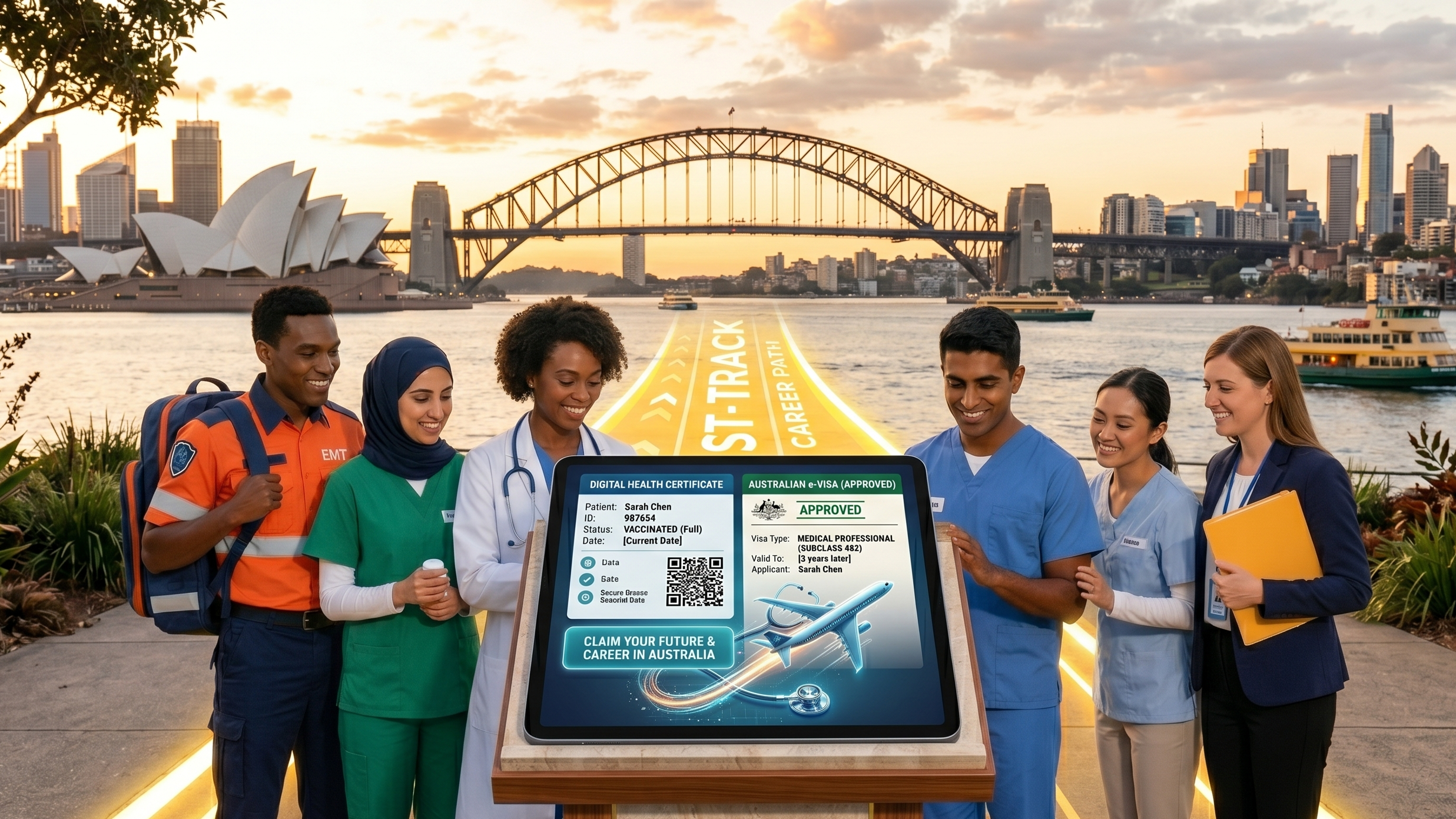
🛂 Ready to Start Your Australian Migration Journey?
Do not let the complexity of immigration requirements delay your plans to live, work, or study in Australia. Ensure your application is prepared flawlessly from the very beginning.
[Click Here to Start Your Official Australian e-Visa Registration and Application Process] and secure professional guidance for a seamless experience today!


Leave a Reply