The Australian migration system is renowned for its rigor, and as of 2026, the Department of Home Affairs has further refined its digital assessment processes. In an era where “Standardised Visa Timelines” and AI-driven document verification are the new norms, the difference between a visa grant and a refusal often rests on the quality and completeness of your documentation.
Whether you are applying for a Visa Pengunjung (Subkelas 600), a Visa Pelajar (Subkelas 500), or a Temporary Skill Shortage Visa (Subclass 482), presenting a “Decision Ready” application is paramount. This guide provides a professional, high-level breakdown of the essential documents required for a successful Australian visa application in 2026.
1. The Foundation: Primary Identity Documents
Identity verification is the non-negotiable first step of any visa assessment. In 2026, digital identity standards have been elevated to prevent fraud and ensure seamless border entry.
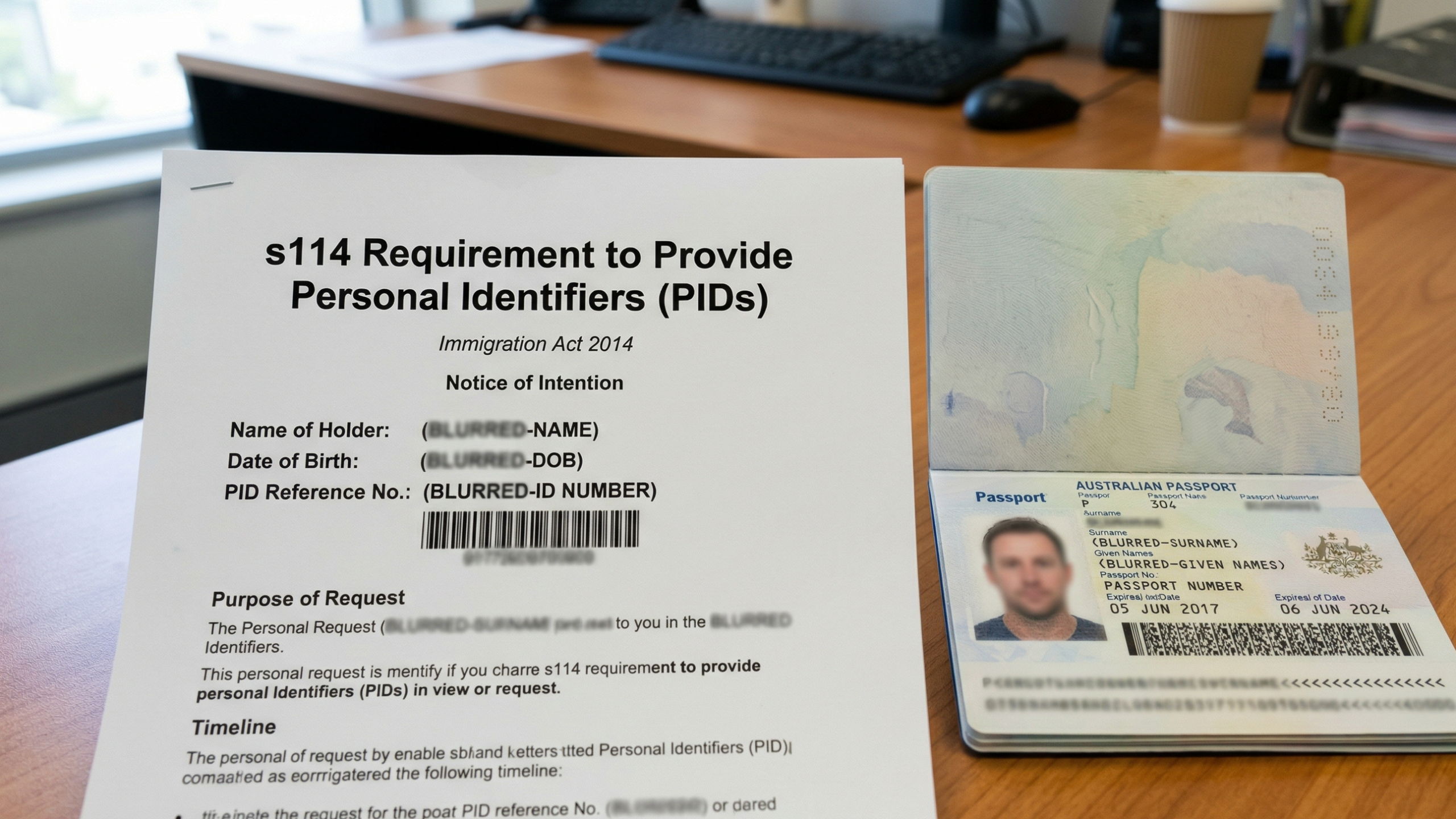
- Current Valid Passport: You must provide a high-resolution, color scan of the bio-data page (the page with your photo and personal details). Your passport must be valid for at least six months beyond your intended date of stay.
- National Identity Card: For applicants from countries like Indonesia, a clear scan of your national ID (KTP) is required.
- Evidence of Name Change: If you have changed your name through marriage or deed poll, you must provide the official legal certificate.
- Passport-Sized Photographs: Digital photos must be taken within the last six months, set against a plain white background, and meet strict 35mm x 45mm specifications without filters or shadows.
2. Proving Financial Capacity: Beyond the Balance
The most scrutinized aspect of a 2026 visa application is the Financial Capacity. The Department no longer accepts simple “lump sum” deposits. They are looking for a consistent financial history that proves you can support yourself without working illegally in Australia.
- Bank Statements: Provide at least three to six months of personal bank statements. These should show regular transactions, salary credits, and a stable balance.
- Income Tax Returns (ITR): Submission of the last two years of tax filings adds significant weight to your financial credibility.
- Employment Evidence: A formal letter from your employer on company letterhead, stating your position, salary, length of employment, and a clear statement that your leave has been approved.
- Self-Employment/Business Documents: If you own a business, provide business registration licenses, recent tax documents, and business bank statements.
Pro-Tip: If a third party is sponsoring your trip, you must provide their financial documents along with a signed Sponsorship Undertaking and evidence of your relationship to the sponsor.
3. The “Genuine Visitor” Requirement: Evidence of Ties
For temporary visas (Subclass 600 and 500), the Genuine Temporary Entrant (GTE)—now often called the Genuine Student (GS) or Genuine Visitor requirement—is critical. You must prove that you have every intention of returning to your home country.
- Property Ownership: Title deeds or land registration documents in your name.
- Family Ties: A copy of your Family Register (KK) or marriage certificate to prove you have immediate family remaining at home.
- Ongoing Commitments: Evidence of a mortgage, car loan, or significant investment that requires your presence in your home country.
- Travel History: Color scans of previous visas and entry/exit stamps from other “strong” travel nations (e.g., USA, UK, Schengen, or Japan). This builds your “Compliance Profile.”
4. Purpose of Stay: The Strategic Itinerary
A vague reason for travel is a red flag. In 2026, the Department expects a professional, logical, and detailed explanation of what you intend to do in Australia.
- Cover Letter: A professionally drafted summary of your application. This should link your background, your financial status, and your purpose for visiting Australia into one cohesive narrative.
- Detailed Itinerary: A day-by-day plan of your activities. For example: “Day 1-3: Visiting Queen’s Wharf Residences and South Bank in Brisbane. Day 4: Business meeting at Margaret Street.”
- Flight and Accommodation Reservations: Note that you should not purchase tickets until your visa is granted. Submit flight reservations and hotel booking confirmations instead.
- Invitation Letter: If you are visiting a friend or relative, provide a signed invitation letter and a copy of their Australian passport or visa status.
5. Health and Character Documents
Australia’s 2026 health and character standards remain the strictest in the world.
- Medical Examinations: Depending on your country and length of stay, you may be issued a HAP ID to book a medical check-up with a Bupa-approved clinic.
- Police Clearances: If you have lived in any country for 12 months or more over the last 10 years, you must provide a police certificate from that nation.
- Overseas Student Health Cover (OSHC): Required for all Subclass 500 applicants, covering the entire duration of your stay.
6. Digital Submission Standards (2026 Update)
The 2026 “Standardised Visa Timelines” portal uses AI to pre-screen documents. To avoid an instant automated refusal, you must follow these technical rules:
- Color Only: Black and white scans are often rejected by automated systems.
- File Size: Most documents must be under 5MB. Use professional PDF compression that maintains legibility.
- NAATI Translations: Any document not in English must be accompanied by a translation from a NAATI-accredited translator (or a recognized professional equivalent in your region).
- No Phone Photos: Use a flatbed scanner. Skewed or blurry phone photos of documents can trigger an “Incomplete Evidence” refusal.
Precision is the Key to Approval
An Australian visa application is a legal submission where the burden of proof lies entirely with you. A single missing document or a poorly scanned certificate can derail months of planning. By following this comprehensive checklist, you are ensuring your application is “Decision Ready”—positioning yourself at the front of the 2026 processing queue.
Register Your E-Visa with Authority
Maximize your chances of success with Australian Visa Gov.
Navigating the 2026 document requirements can be overwhelming, but you don’t have to do it alone. At Visa Australia Gov, we provide an elite, Brisbane-based document auditing service. Based in our office at Queen’s Wharf Residences, our team ensures your digital file meets the highest standards of the Department of Home Affairs.
We transform your “Document Checklist” from a chore into a professional, “Decision Ready” submission. Let us handle the technicalities while you prepare for your Australian journey.
Direct Brisbane Authority • NAATI-Standard Audits • 2026 Digital Compliance
Start your application now at australianvisagov.com and experience a seamless path to Australia.

Tinggalkan Balasan