What are the essential steps and costs for moving to Brisbane in 2026? Successfully relocating to Queensland’s capital requires securing an appropriate Australian visa, preparing an initial settlement budget of approximately AUD 3,000 to AUD 5,000, and navigating a highly competitive rental market. Key logistical steps include passing a 100-point identification check to secure a lease, choosing a suburb aligned with your commute (such as Newstead for young professionals or Indooroopilly for families), and registering for a TransLink go card for public transport. Due to the upcoming 2032 Olympic Games infrastructure boom, securing employment and housing should be prioritized well before your arrival.
Brisbane has rapidly transformed from a quiet river town into a bustling, global metropolis. As the capital of the “Sunshine State,” it offers an enviable mix of subtropical climate, robust economic opportunities, and a relaxed outdoor lifestyle that consistently ranks among the best in the world.
However, transitioning your life to a new city—especially across international borders—involves far more than just booking a flight. In 2026, the local real estate market is tight, immigration compliance is strictly monitored, and local administrative procedures require precision. This comprehensive relocation guide provides actionable, expert insights to help you establish your new life in Brisbane smoothly and legally.
1. Navigating the Brisbane Housing Market
Finding a place to live will be your most immediate challenge upon arrival. Brisbane’s property market has experienced significant growth, making preparation critical for new residents.
The Rental Reality in 2026
The rental vacancy rate in Brisbane remains historically low. To secure a lease, you cannot simply arrive and expect to move in the next day. Most property managers require prospective tenants to physically inspect the property (or have a proxy do so) before accepting an application.
- The 100-Point ID Check: Real estate agencies operate on a strict identification system. You will need to provide a combination of documents, such as your passport (70 points), Australian driver’s license or Photo ID (40 points), and bank statements or utility bills (25 points each), to even be considered.
- Proof of Income: You must demonstrate that you earn enough to cover the rent. A common metric used by agencies is that your rent should not exceed 30% of your net income.
Where to Live: Top Brisbane Suburbs
Choosing the right neighborhood depends heavily on your lifestyle, budget, and commute to work or university. Here is a breakdown of popular suburbs for new migrants:
| Suburb Profile | Recommended Areas | Average Weekly Rent (Apartment) | Key Features |
| Young Professionals | Newstead, Fortitude Valley, West End | AUD 600 – AUD 850 | Close to the CBD, vibrant nightlife, high-density modern apartments, riverside dining. |
| Families | Indooroopilly, Mount Gravatt, Chermside | AUD 550 – AUD 750 | Excellent school catchments, large shopping centers, spacious housing, family parks. |
| Students | St Lucia, Kelvin Grove, Toowong | AUD 450 – AUD 650 | Proximity to UQ and QUT campuses, affordable student housing, excellent public transit. |
| Luxury / Lifestyle | Teneriffe, Bulimba, Ascot | AUD 800 – AUD 1,200+ | Premium riverfront living, boutique shopping, heritage homes, ferry access. |
2. Employment and the Queensland Economy
Brisbane’s economy is currently in a state of rapid expansion, heavily driven by preparations for the 2032 Olympic and Paralympic Games. This has created a massive demand for skilled labor across multiple sectors.
- High-Demand Industries: Construction, civil engineering, healthcare, IT, and hospitality are experiencing significant talent shortages. If you possess qualifications in these areas, you hold a strong negotiating position in the local labor market.
- Understanding Your Rights: Regardless of your visa status, Australian workplace laws (overseen by the Fair Work Ombudsman) protect you. You are entitled to the national minimum wage, superannuation contributions (retirement funds paid by your employer), and safe working conditions.
- Tax File Number (TFN): Before you begin your first shift, you must apply for a TFN from the Australian Taxation Office (ATO). Without it, you will be taxed at the highest emergency rate.
3. Transportation: Getting Around the River City
Brisbane is geographically expansive, making understanding the public transport network essential for daily commuting.
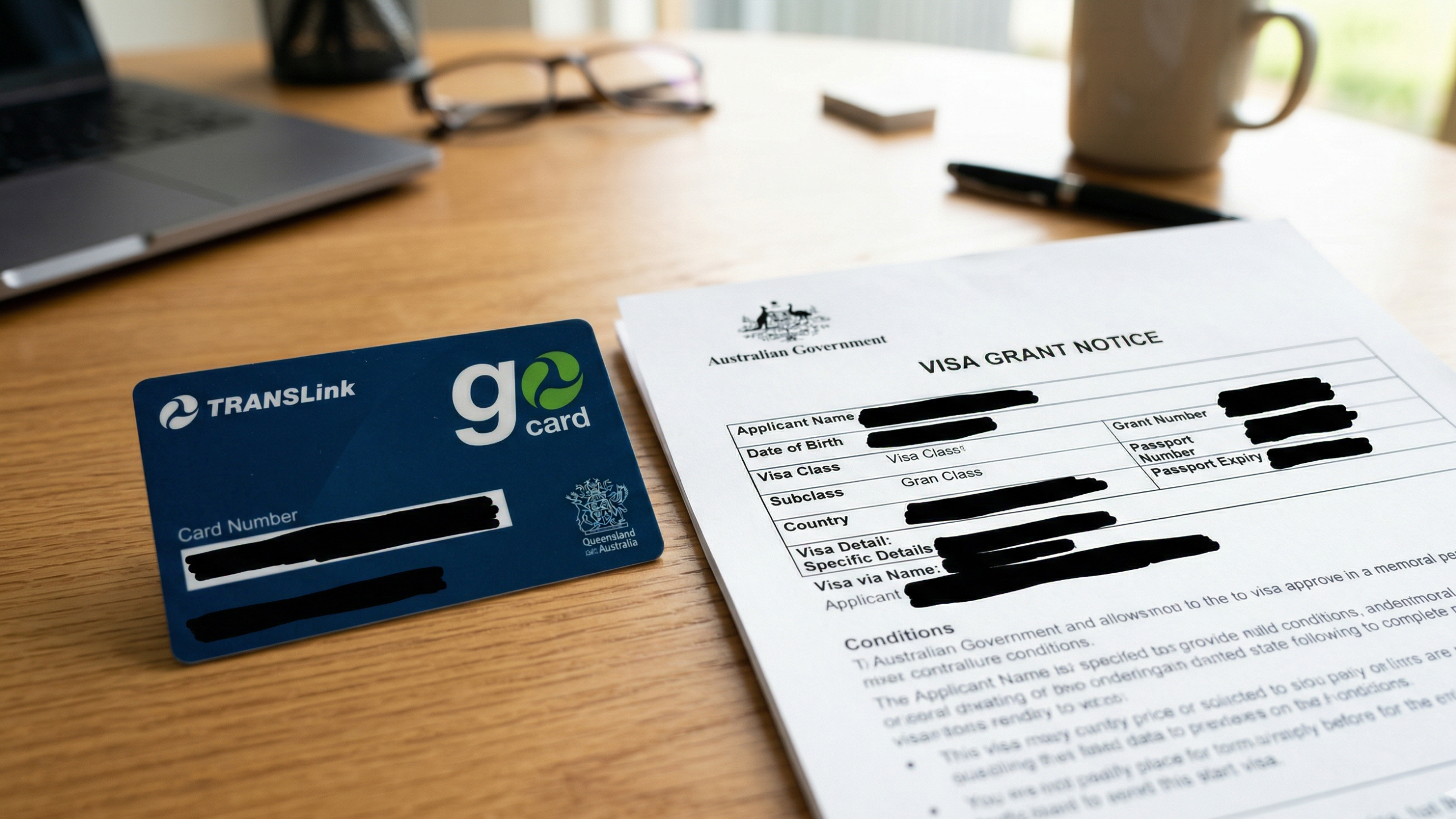
- The TransLink Network: The city utilizes an integrated system of buses, trains, and ferries. You will need to purchase a go card (available at most convenience stores and train stations) or use a contactless credit card/smart device for adult fares.
- CityCat Ferries: Brisbane’s iconic CityCats are not just for tourists; they are a highly efficient and scenic way to commute if you live and work near the Brisbane River.
- Cross River Rail: This massive, ongoing infrastructure project is reshaping the city’s underground transit. Be aware of changing bus routes and train timetables as new stations are integrated into the network.
- Driving: If you plan to buy a car, you can use your valid overseas driver’s license for a limited time (usually three months) before you are required to transfer it to a Queensland driver’s license via the Department of Transport and Main Roads (TMR).
4. Healthcare and Education
Australia boasts a world-class healthcare system and highly regarded educational institutions, but access depends entirely on your residency status.
Medical Coverage
If you are a permanent resident or a citizen of a country with a Reciprocal Health Care Agreement (RHCA), you can enroll in Medicare, which provides free or subsidized treatment in public hospitals.
However, if you are on a temporary working, student, or visitor visa, you are legally mandated to hold private medical insurance, such as Overseas Visitor Health Cover (OVHC) or Overseas Student Health Cover (OSHC). A medical emergency without proper insurance can result in devastating financial debt.
Schooling for Children
If you are relocating with a family, understanding school catchments is crucial. Public schools in Brisbane enforce strict geographic catchment zones; you must prove you live within a specific boundary to enroll your child. While public education is free for citizens and permanent residents, temporary visa holders may be required to pay substantial international tuition fees.
5. Adjusting to the Subtropical Lifestyle
Brisbane is famous for having nearly 300 days of sunshine a year. The lifestyle is decidedly more relaxed and outdoors-oriented compared to Sydney or Melbourne.
- The Climate: Summers (December to February) are hot and highly humid, often punctuated by dramatic afternoon thunderstorms. Winters are mild, dry, and generally beautiful. Air conditioning in your rental property is not a luxury; it is a necessity.
- Sun Safety: The UV index in Queensland is extreme. Adopting the local “Slip, Slop, Slap” routine (wearing protective clothing, sunscreen, and a hat) is critical to preventing severe sunburn and long-term skin damage.
6. The Bureaucratic Foundation: Visas and Legalities
You cannot build a life in Brisbane without a solid legal foundation. Arriving on a tourist visa with the intention to work or sign a long-term lease is illegal and will result in visa cancellation and deportation.
Before you book your flights or ship your belongings, you must secure the correct visa pathway. Common options include:
- Skilled Migration Visas (Subclass 189, 190, 491): For professionals whose occupations are listed on the skilled occupation list.
- Employer-Sponsored Visas (Subclass 482, 186): For those who have already secured a job offer from an approved Australian business.
- Student Visas (Subclass 500): For those seeking to upgrade their qualifications at institutions like The University of Queensland (UQ) or Queensland University of Technology (QUT).
- Working Holiday Visas (Subclass 417, 462): For young adults looking to fund their travels through short-term employment.
Securing the correct visa involves meticulous document preparation, health examinations, biometric data collection, and strict adherence to Department of Home Affairs guidelines.
Preparation is the Key to a Successful Move
Relocating to Brisbane is an exciting milestone that promises a high quality of life, excellent career prospects, and a welcoming community. However, the logistical complexities—from navigating the rental crisis to understanding your tax obligations and maintaining legal immigration status—require meticulous planning.
By familiarizing yourself with the local suburbs, understanding the employment landscape, and ensuring your administrative affairs are in perfect order, you can transition smoothly from a new arrival to a confident Brisbane local.
Secure Your Move: Expert Australian E-Visa Processing
A successful relocation to Brisbane begins long before you pack your bags; it starts with securing the right visa. The Australian immigration system is highly digitized, unforgiving of errors, and requires “Decision Ready” applications.
Don’t let complex biometrics requirements, confusing health insurance mandates, or incomplete documentation delay your move. At our professional agency, we specialize in end-to-end Australian e-visa processing. We ensure your application is strictly compliant with the latest Department of Home Affairs regulations, giving you the peace of mind to focus on planning your new life in Queensland.
[Start Your Australian E-Visa Application Today]
Professional Document Audits • Official Compliance • Fast-Track Digital Lodgement

Leave a Reply